Severe Interior Mold Remediation & Full Cabin Restoration

This vehicle arrived with severe, active mold growth affecting nearly every interior surface due to prolonged moisture exposure. What began as a contamination hazard required a full-scale interior remediation to restore the cabin to a safe, healthy condition.
What We Did
- Initial Assessment & Safety Protocol
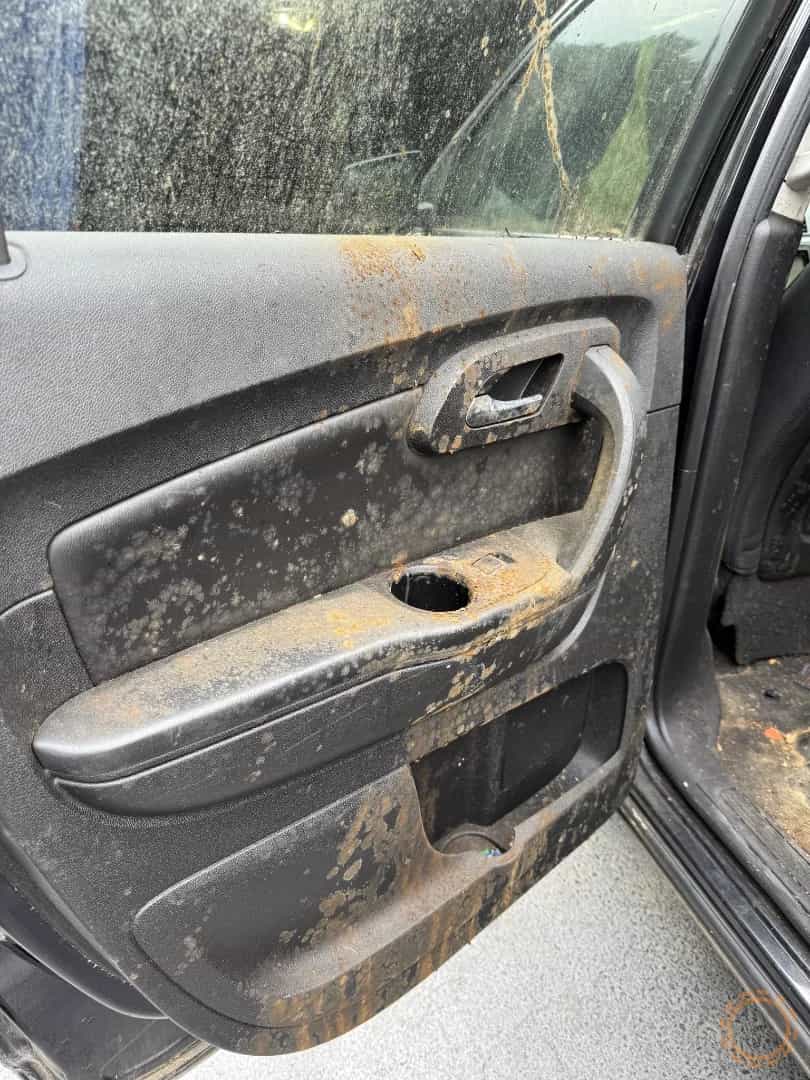
When we first opened the doors, it was immediately clear this wasn’t a minor mildew situation. Mold growth was visible across door panels, seat backs, plastics, upholstery — even vertical surfaces. That told us spores had become airborne and spread throughout the cabin. The seat cushions and carpet fibers showed signs of deep contamination, likely from prolonged moisture exposure — possibly a leaking seal, trapped humidity, or the vehicle sitting unused.
Before touching anything, we suited up in full PPE — respirator with P100 cartridges, gloves, and eye protection. The vehicle was positioned outdoors with every door and the liftgate opened to improve ventilation. We also began evaluating which materials were salvageable and which might be compromised.
The biggest risk at this stage? Disturbing airborne spores. If handled improperly, agitation could drive contamination deeper into fabric and even into the HVAC system.
- Source Control & Moisture Mitigation
You can’t fix mold without fixing moisture. Otherwise, it comes right back.
So before heavy cleaning began, we inspected door seals, window channels, and the rear hatch seal. We checked the carpet padding for saturation and monitored interior humidity levels. In severe cases like this, moisture can sit trapped beneath carpet padding or inside seat foam for months.
The challenge here: Mold isn’t always just on the surface. It often grows beneath what you can see — inside foam and under padding.
- Gross Debris Removal & Controlled HEPA Vacuuming
Before introducing any liquids, we removed all loose debris and began a controlled HEPA vacuum process.
Every surface was vacuumed slowly and methodically to capture spores without aerosolizing them. Special attention was given to stitching seams, crevices, seat tracks, and textured plastics.
Why vacuum first? Because applying liquid too soon can turn spores into a slurry and push them deeper into porous materials.
One of the tougher areas: The vertical door panels. The mold had bonded to textured plastic, and aggressive brushing could have permanently stained or damaged the surface. Precision mattered.
- Targeted Antimicrobial Treatment
Once loose spores were removed, we applied EPA-registered antimicrobial solutions strategically.
On non-porous surfaces — door panels, trim, seat backs, cargo plastics — we used a controlled spray (never misting), allowed proper dwell time, gently agitated with soft bristle brushes, and followed with microfiber extraction wipe-downs.
For porous materials like seats and carpet, we applied an enzymatic pre-treatment, lightly agitated, and used controlled extraction to avoid oversaturation.
Why control matters: Too much liquid can reactivate dormant spores buried in foam layers. Moisture management during treatment is critical.
- Steam Sanitization (120–130°C)
Next came steam.
Using commercial-grade steamers, we penetrated seat fabric, sanitized carpet fibers, and treated tight crevices. High heat kills embedded spores while minimizing chemical residue and avoiding heavy saturation.
The balance here is important: Too much pressure or heat can damage adhesives or delaminate seat fabric. Controlled technique is everything.
- Deep Extraction of Seats & Carpet
The front seat in particular showed severe staining and signs of deep spore penetration.
We began with enzyme pre-treatment, followed by hot water extraction using a low-moisture method. Multiple passes were made to lift embedded contamination, and moisture was immediately removed using a high-lift extractor.
The reality: Seat foam acts like a sponge. If it isn’t thoroughly extracted and aggressively dried, mold can return.
- HVAC & Airspace Treatment
Because spores had clearly circulated through the cabin air, the HVAC system had to be addressed.
We removed and replaced the cabin air filter, treated the vents, and applied thermal fogging through the duct system. The entire interior airspace was fogged to neutralize airborne contamination.
Why this step matters: If mold remains inside ductwork, it can re-contaminate a clean interior within days.
- Drying & Environmental Control
After remediation, drying wasn’t rushed.
Industrial dehumidifiers and air movers were positioned strategically throughout the vehicle. Interior humidity was reduced below 50%, and drying was extended to ensure no trapped moisture remained in foam or padding.
Patience is critical here. Rushed dry time equals recurrence.
- Final Detail & Protection
Once the mold was fully eliminated and the cabin stabilized, we restored the interior.
All plastics were dressed with a non-greasy, anti-static protectant. Fabrics were protected where appropriate. Surfaces were brought back to a clean, factory-matte finish. A final HEPA pass ensured any remaining particulates were removed.
At the end of this process, the vehicle wasn’t just cleaned — it was decontaminated and restored to a safe, healthy environment.
Major Challenges Overcome
-
Widespread Surface Colonization This wasn’t localized — mold covered nearly every exposed surface.
-
Vertical Spore Bonding Door panels showed spore adhesion into textured plastics, requiring delicate agitation.
-
Deep Foam Contamination Seat cushions had clear ring-pattern contamination suggesting moisture pooling.
-
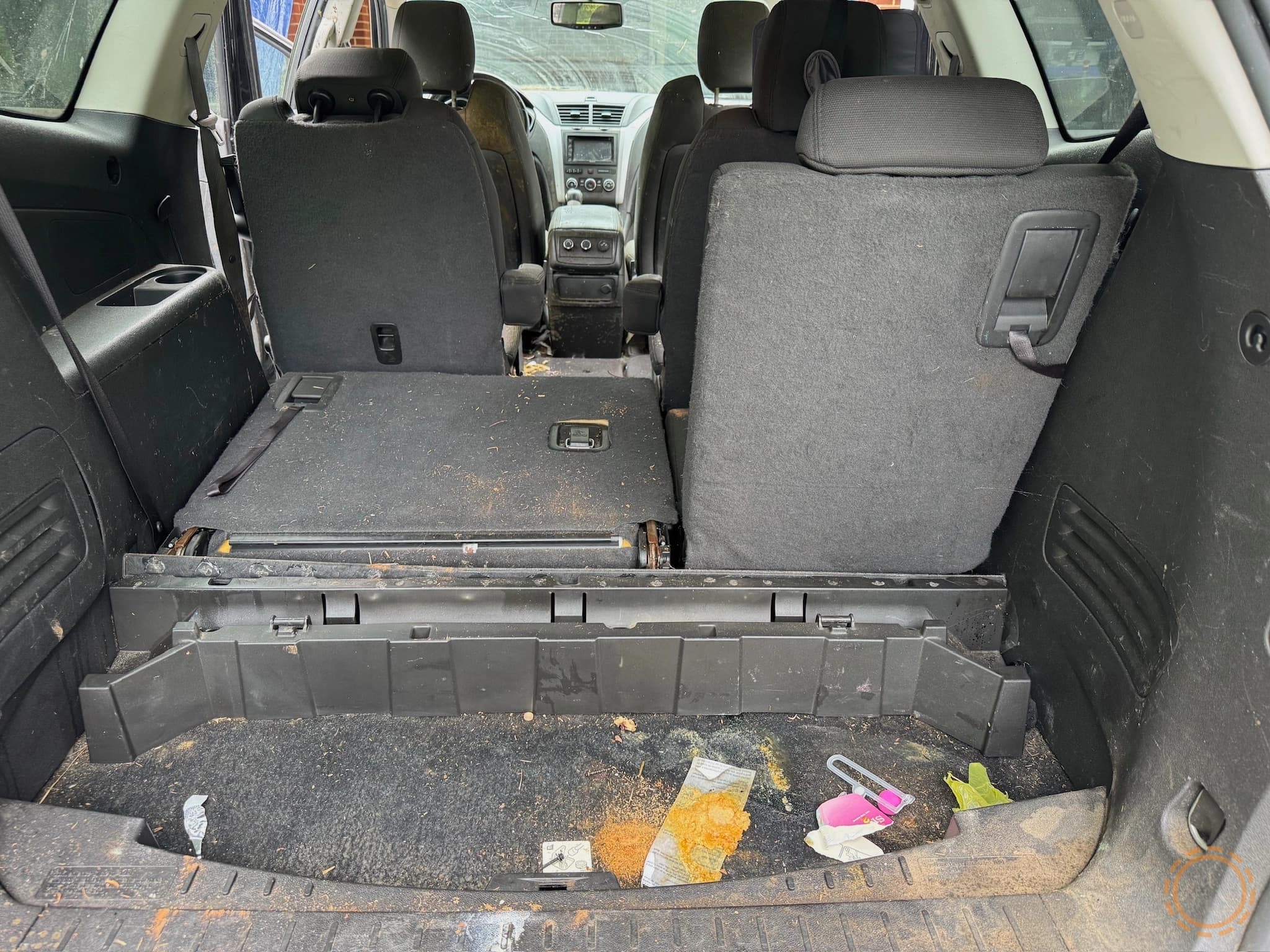
Cargo Area Saturation Rear compartment likely experienced standing moisture — high recurrence risk if not dried properly.
-
Cross-Contamination Risk Without containment protocol, remediation could have spread spores throughout the vehicle.
Project Details
2012 Chevrolet Traverse
Reidsville, North Carolina
4 days
June 15, 2025
See the work


The Results
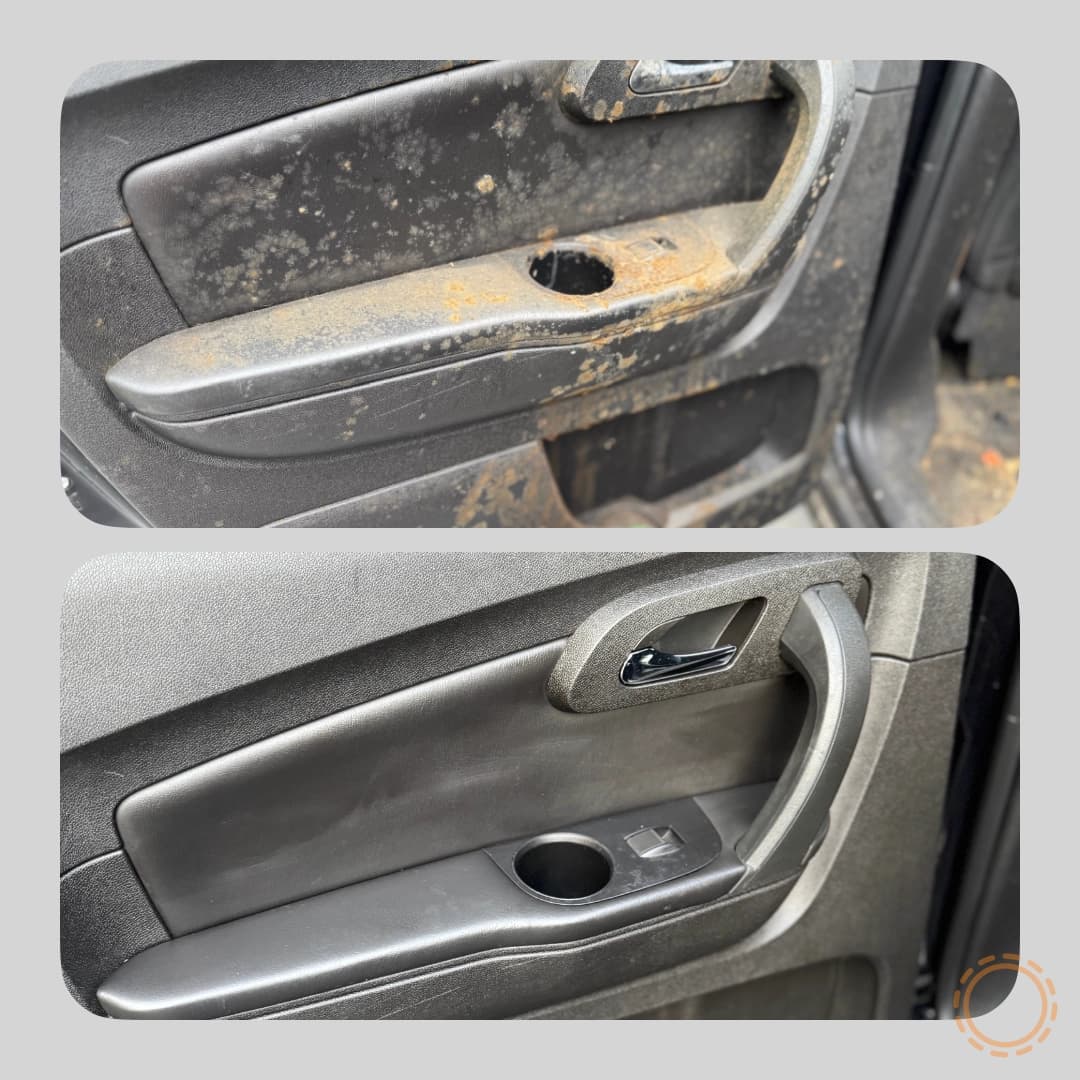
By the time the project was complete, the transformation was dramatic.
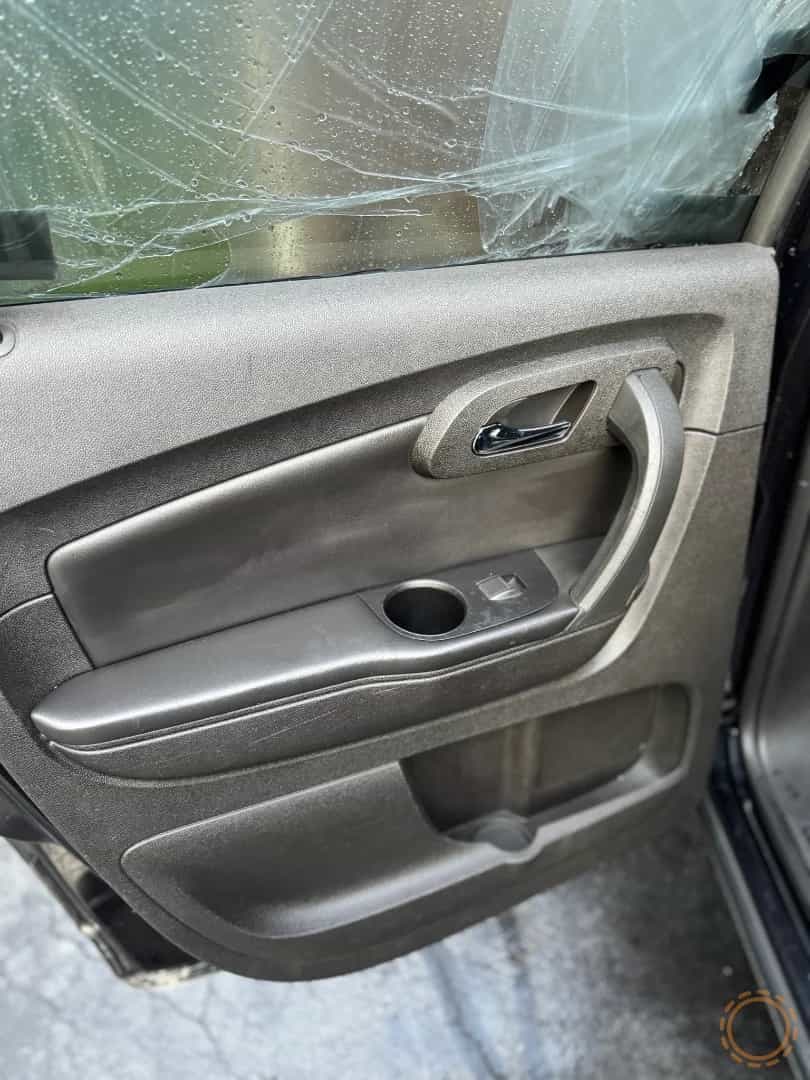
What was once a vehicle sitting for over two years with a window half down — covered in heavy mold growth, deep staining, embedded contamination, and visible spore colonies — was restored to a clean, dry, safe interior. The musty odor was eliminated. Surfaces were sanitized. Fabrics were extracted and stabilized. Plastics were restored to a factory-matte finish. The airspace was treated and purified.
There were no visible signs of contamination remaining, no lingering smell, and no evidence of the severe neglect the vehicle had endured. The interior didn’t just look clean — it felt healthy again.
The customer’s reaction said it best:
“10000/10 would recommend! They made MAGIC happen with my car! Car was sitting for over two years with a window half down… and when I tell you it was a MESS, it was a MESS… you wouldn’t even be able to tell it now… it looks brand new!”
For a vehicle that many would have considered beyond saving, restoring it to “looks brand new” condition was the ultimate validation. Severe mold remediation isn’t just about appearance — it’s about bringing a vehicle back from what feels like a total loss and giving the owner confidence, comfort, and pride in it again.
That’s the difference between cleaning a car… and completely reclaiming it.
Interior Mold Remediation in Reidsville
If you're looking for Mold Remediation in Reidsville, NC, this is the kind of result you can expect.
Related Projects
Check out more of our work
